Reflection – March 2
Assistive Technologies
Hi All,
This week we dived into the world of assistive technology. Technology can be hugely impactful for any learner but might be life changing for anyone living with a disability. I was surprised to hear that, in BC, nearly a quarter of the population over the age of 15 are living with a disability. I do not have much experience with assistive technology and with those numbers I would have expected the technology to be more common place. That said, there are a number of tools that I am familiar with that just haven’t been utilized to their full potential.
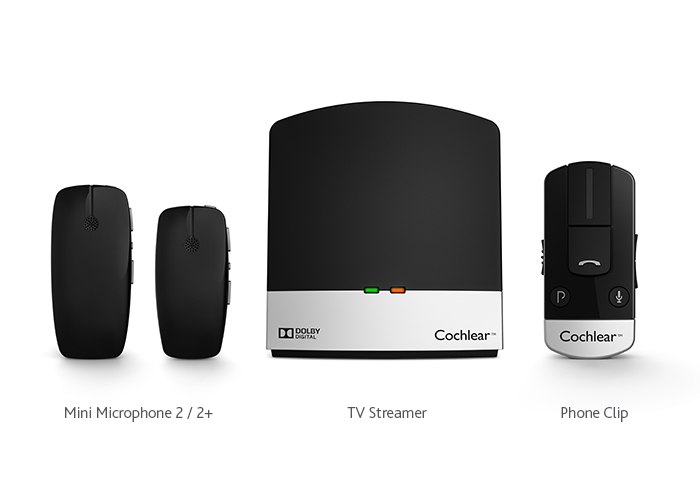
Google, Apple iPads, and even Windows 10 have built in apps that I didn’t know existed. For example, both Windows and Google have native voice to text programming. Apple seems to have a whole range of apps dedicated to specific assistive needs. I have not yet had a chance to explore Boardmaker but I am curious to take a look and see what it may offer as a “complete special education platform”. I was particularly surprised to see that teachers can wear microphones that transmit to cochlear implants. It really shouldn’t be that surprising but it’s something that I just wouldn’t have considered. It’s an example of my ableism but I tend to assume that people with cochlear implants can hear reasonably well. There’s a movie called the Sound of Metal that gives a glimpse into what it is like to lose hearing and follows an individual who is considering getting the implant. Interestingly, the implants are opposed by many in the deaf community. One of our classmates is open about having a hearing disability and has a cochlear implant. I am curious to hear his thoughts on this subject.
Challenges
While all of these technologies seem amazing, I can understand why some of them are not more widespread. I assume that the biggest barrier to the technology is funding. Although the number of students with disabilities is relatively high, I do not know if the budgets in this area have kept pace with the technology available. Another issue I could see is that many of the truly life changing technologies might be so specific and customized to individuals. If the technology cannot be shared or re-used among students then school boards might be less likely to shell out the high costs. Lastly, many of these devices and even the associated software often require maintenance or continuous updates which can lead to hidden ongoing costs. If these costs are not budgeted for then some of the technology can become defunct and underused after only a few years.
On the positive side, the technology is always advancing. As it becomes more widespread and production increases, then costs will go down. As it becomes more common place then public perception also improves which can lead to a greater willingness for administration to budget accordingly. I believe the future is bright for educational technology.
Brad